Hunting3 min readBy Mağusa Av Market
Shotgun Gauge Guide: 12, 16, 20 and .410 Explained
The smaller the gauge number, the bigger the gun. Which gauge fits which game and which shoulder — with shot sizes explained.
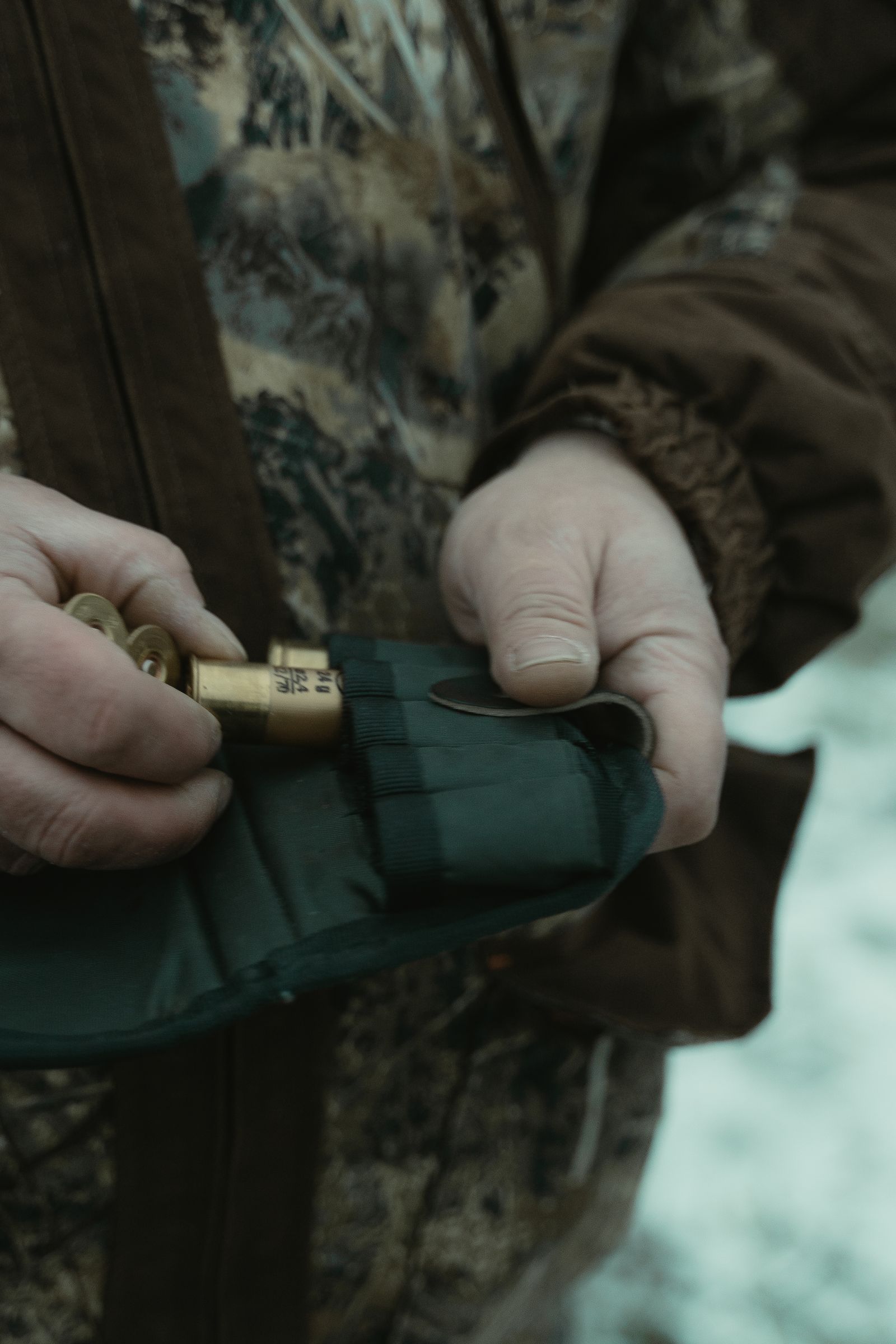
Gauge is the most misunderstood concept in the shotgun world because the number runs backwards: 12 gauge is bigger than 20 gauge. Historically, gauge tells how many lead balls of the bore diameter can be cast from one pound of lead. 12 balls → 12 gauge, 20 balls → 20 gauge. The higher the number, the smaller the ball and therefore the bore. The one exception is .410 (called 36 in some markets) — not a gauge at all but a bore diameter in inches.
12 gauge — the all-round standard
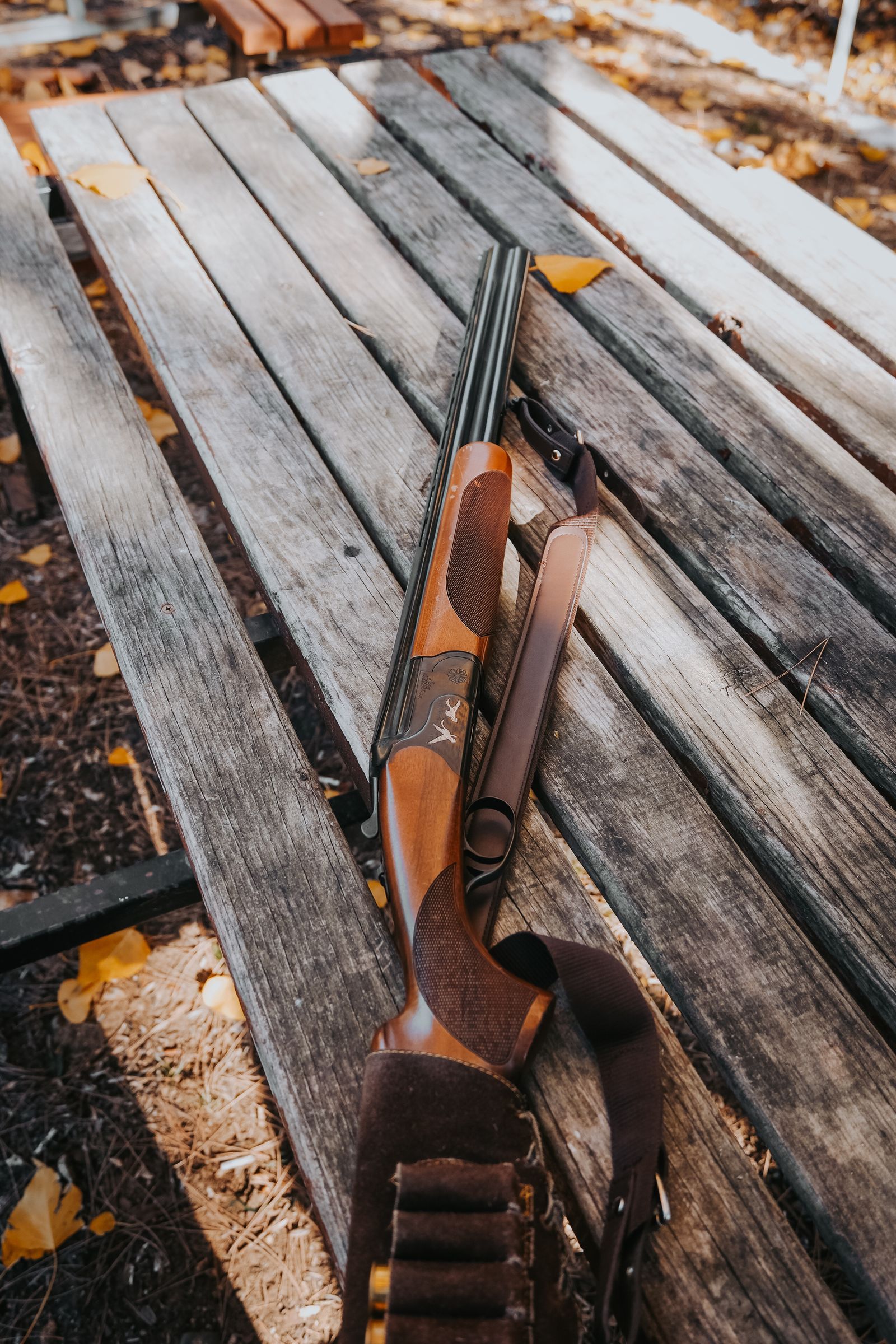
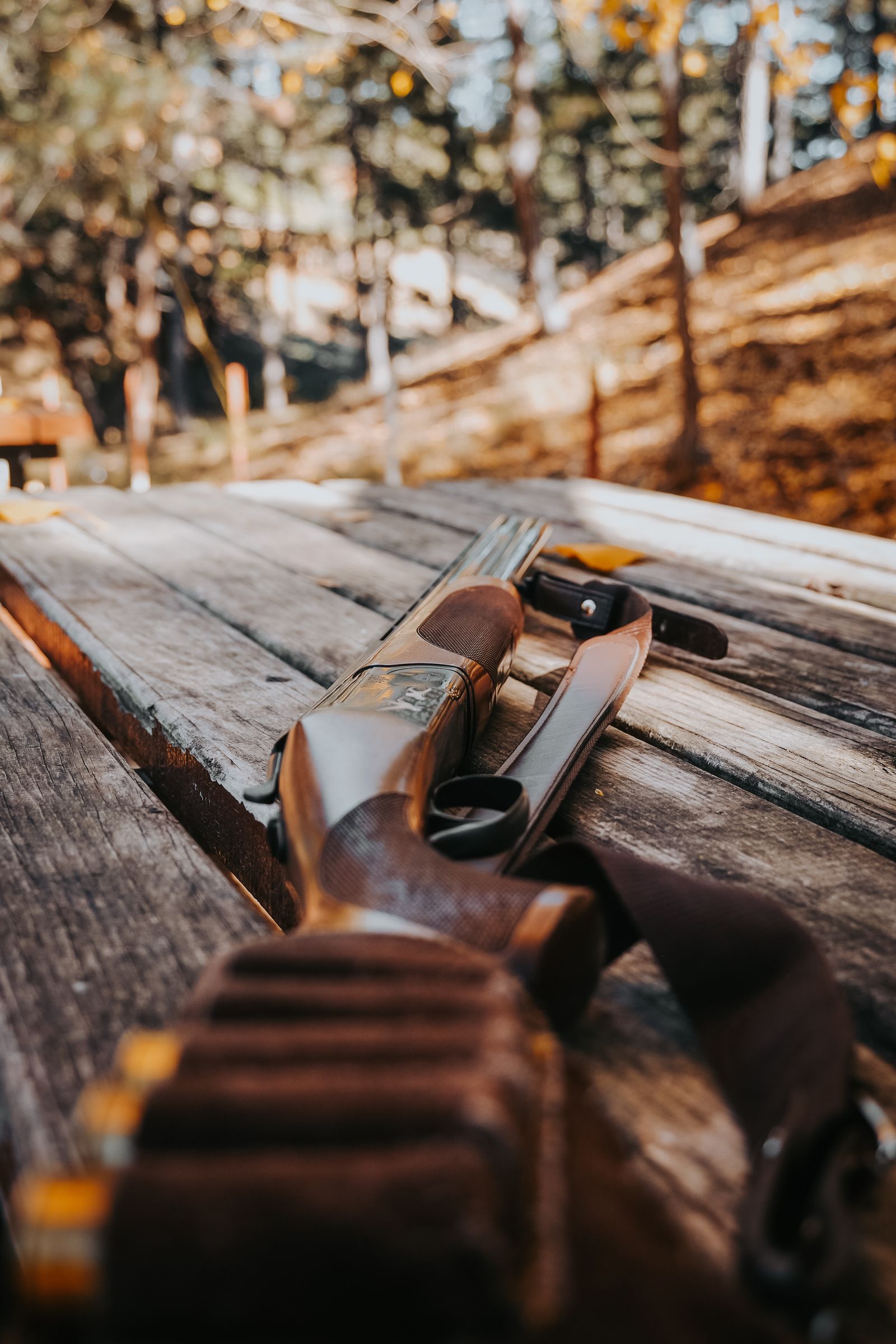
The most common gauge. Widest choice of shells, best prices, a load for every kind of game. The choice of the hunter who wants one gun for partridge, hare, duck, goose and boar. The price is recoil and weight: 28–36 g loads are felt in the shoulder, and the gun carries at 3.2–3.6 kg on long walks.
16 gauge — the balanced classic
Between the power of the 12 and the lightness of the 20. A traditional choice in side-by-side guns. Shell variety is smaller than the 12 and sometimes hard to find, but most hunters with an old double never give up the 16.
20 gauge — light and fast
Lighter gun, less recoil, faster aim. It shines on fast birds like partridge and quail, on long walks, and for younger or smaller-framed hunters. With 28 g loads the effective range is close to the 12; the difference shows with heavy loads. Not ideal for goose or boar.
.410 — small game and training
The smallest load, the least recoil. Used for small birds, pest control and shooting practice. Effective range is short; you have to get close. Often considered a starter gun, but experienced hunters love it precisely for the challenge.
What does shot size mean?
The number on the shell is the size of each pellet and, like gauge, it runs backwards: smaller number, bigger pellet.
- No 8–9: small pellets, many of them. Quail, dove, trap shooting.
- No 6–7: partridge, woodcock, hare. The most used range.
- No 4–5: duck, pheasant, partridge at distance.
- No 2–3 and BB: goose and large waterfowl.
- Slug: boar. Not shot — a single projectile.
Load weight (28, 32, 36, 42 g) is the total amount of shot in the shell. More weight means a denser pattern and more recoil; make sure the barrel and action are rated for it.
The relationship with choke
A variable as important as gauge is the constriction at the muzzle. Cylinder gives a wide pattern; full gives a tight pattern and long range. Use open chokes for close birds and tight chokes for distant duck. Interchangeable chokes give you flexibility.
Which one to buy?
- One gun, every kind of game → 12 gauge semi-auto or over-and-under
- Lightness, fast birds, long walks → 20 gauge
- Traditional double-gun feel → 16 gauge
- Training and small game → .410
A gun is chosen to fit the shoulder; if the stock length is wrong, accuracy drops even with the right gauge. Shoulder it in the store and try it — sales are in-store only and with the legal documents.